Common Mistakes
Common Mistakes When Raising Butterflies & Moths
Whether you're a first-time butterfly raiser or an experienced hobbyist, a few missteps can make the difference between a successful emergence and a disappointing outcome. Here are the most common mistakes — and how to avoid them.
1. Overcrowding Caterpillars
Too many caterpillars in a small enclosure leads to competition for food, stress, and the rapid spread of disease. Always provide adequate space and fresh host plant material for each individual.
2. Using the Wrong Host Plant
Each species requires a specific host plant. Feeding caterpillars the wrong plant — even a closely related one — can be fatal. Always confirm the correct host plant for your species before ordering.
3. Improper Humidity and Ventilation
Too much moisture encourages mold and bacterial growth; too little causes desiccation. Aim for good airflow with moderate humidity. Avoid sealing enclosures completely.
4. Handling Chrysalises Incorrectly
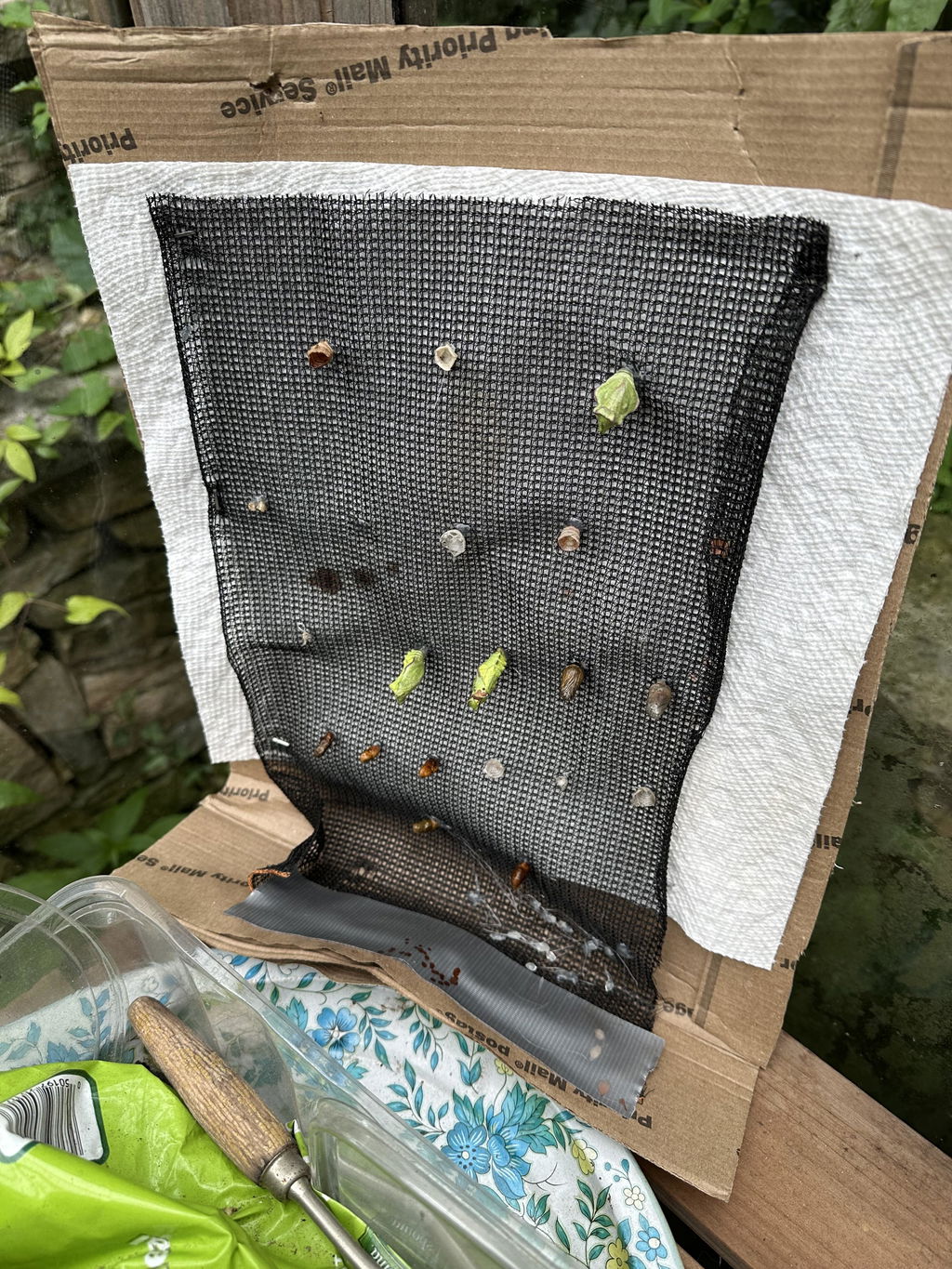
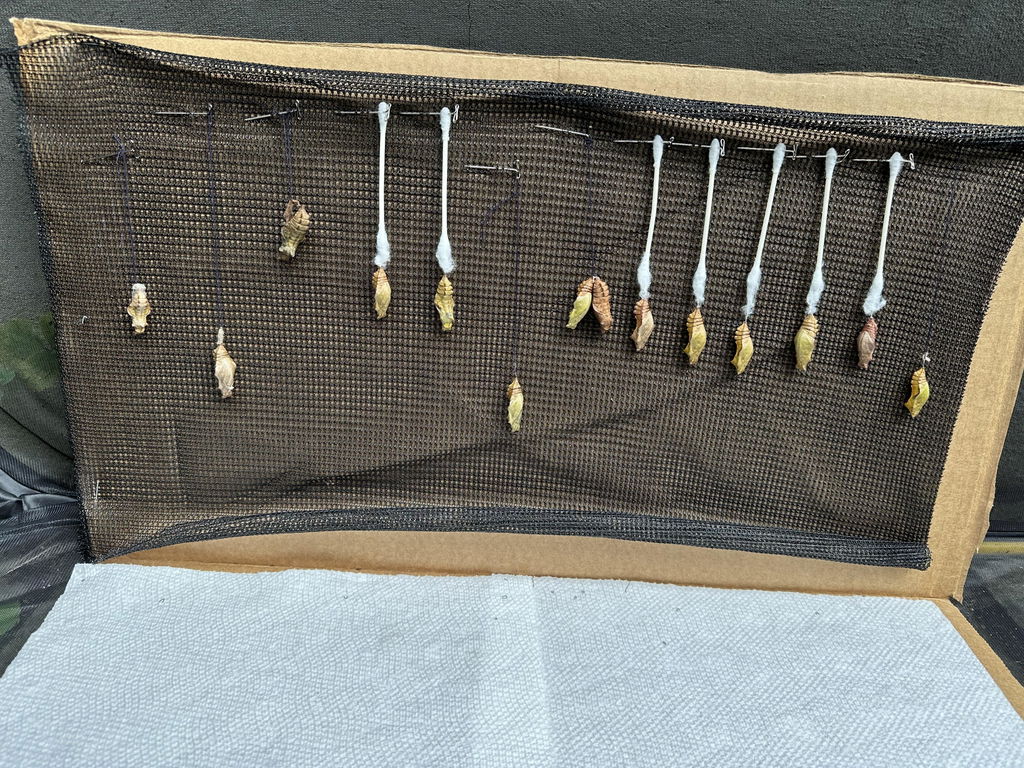
Chrysalises are fragile. Avoid touching or moving them unnecessarily, especially in the first 24–48 hours after pupation when they are still hardening. If relocation is needed, wait until the chrysalis is firm.
5. Releasing Too Early or in Poor Conditions
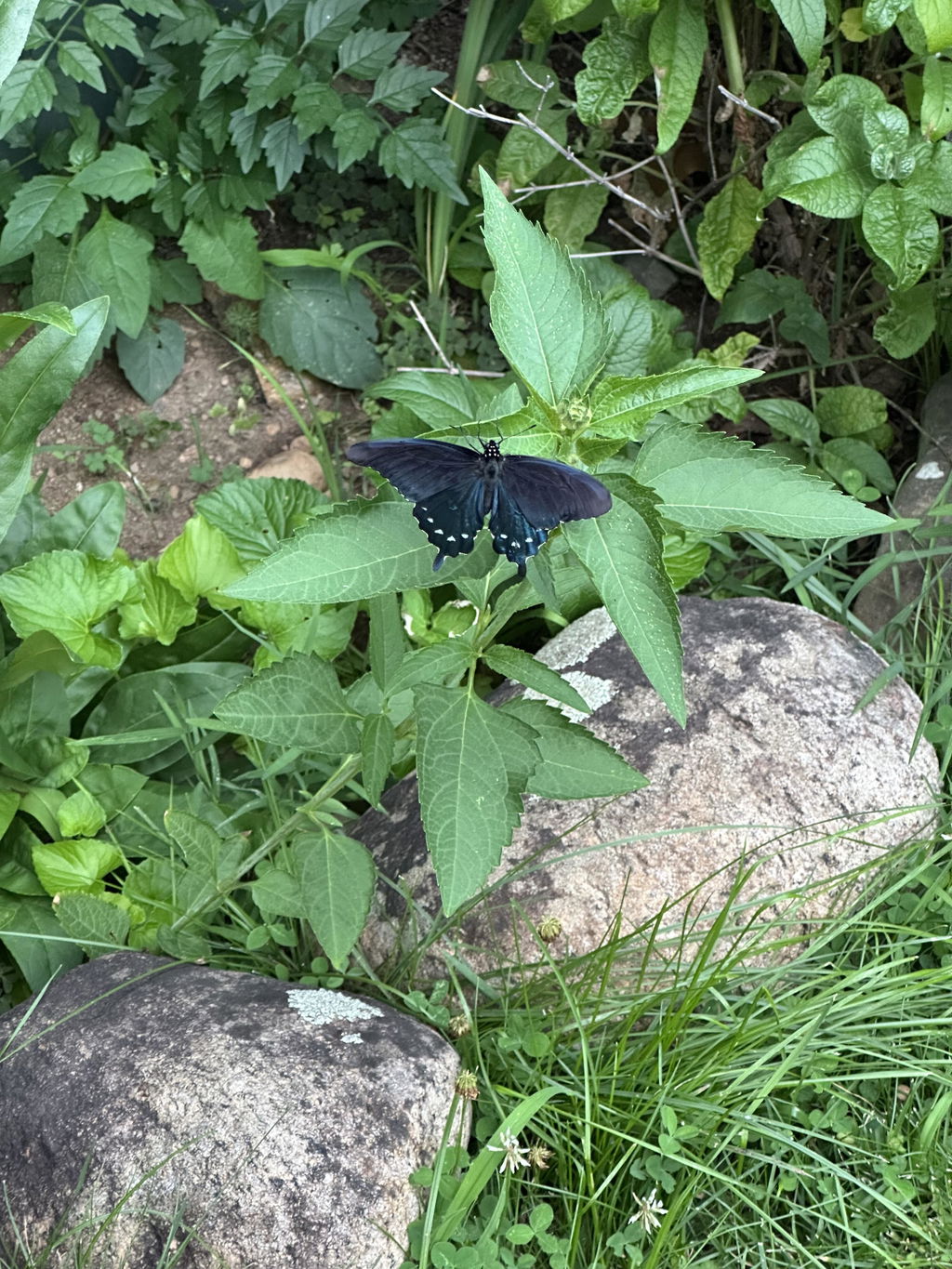
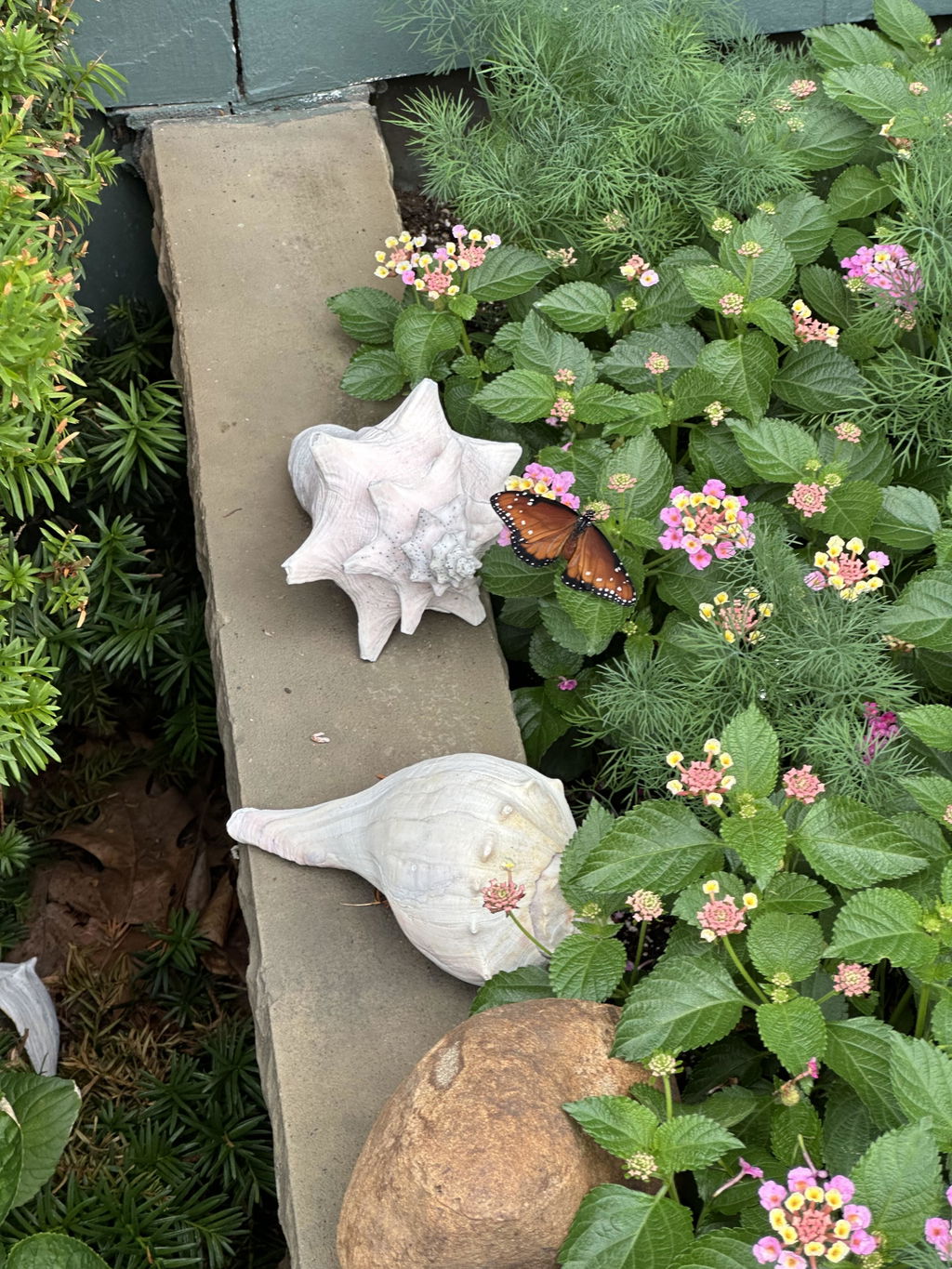
Newly emerged butterflies need several hours to fully inflate and dry their wings before they can fly. Releasing them too soon, in cold temperatures, or during rain can be fatal. Wait for warm, calm, sunny conditions.
6. Ignoring Signs of Disease
Discolored, sluggish, or shriveled caterpillars may indicate viral or bacterial infection. Isolate affected individuals immediately and sanitize the enclosure to prevent spread.
7. Skipping Quarantine for New Stock
Introducing new caterpillars or eggs directly into an existing population risks spreading pathogens. Always quarantine new arrivals for several days before mixing with established stock.
Have questions? Contact us — we're happy to help you raise healthy, thriving butterflies.